Introduction
If you’re an enterprise leader, you’ve probably heard the phrase “digital transformation” more times than you can count. But here’s the honest truth: most businesses are still figuring out what it really means for them.
Digital transformation isn’t just about switching to the cloud or building a mobile app. It’s a complete reimagining of how your business operates, delivers value, and stays competitive in a world that’s moving faster than ever. And with AI entering the picture, the pace of change has gone from a steady jog to a full sprint.
At Tokma Technologies, we’ve worked with enterprise teams across industries, and we know that transformation can feel overwhelming. That’s why we’ve put together this straightforward roadmap, so you know exactly where to start, what to expect, and how to make it work for your organization
What Is Digital Transformation?
Let’s clear up a common misconception. Digital transformation is not just buying new software or automating a few manual tasks. It’s a strategic shift in how your enterprise:
- Collects, manages, and uses data
- Delivers products and services to customers
- Empowers its employees with smarter tools
- Responds to market changes in real time
Think of it this way: if your competitors can make a key business decision in hours using AI-powered analytics, while your team takes two weeks pulling reports manually, that gap is the transformation problem.
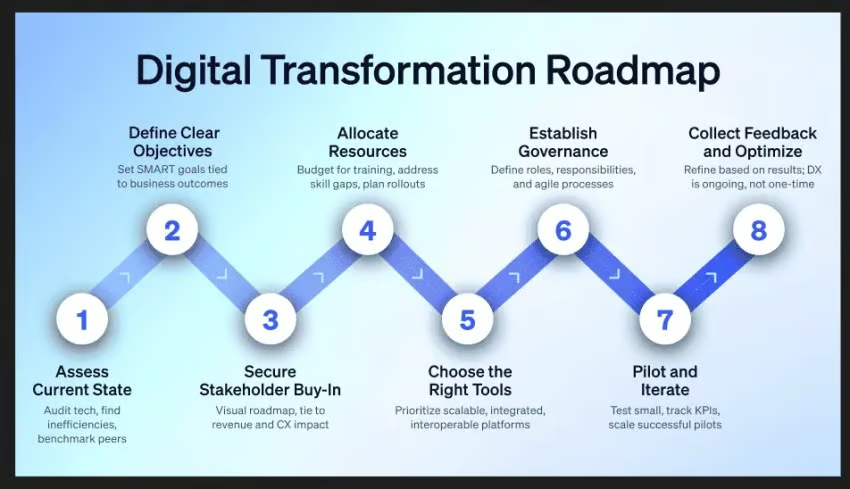
Assess Where You Are Today
Before you build a roadmap, you need an honest picture of your current state. This is what we call a Digital Maturity Assessment.
Ask yourself:
- Which business processes are still paper-based or spreadsheet-driven?
- Where are the biggest bottlenecks in communication or data flow?
- Are your current software systems talking to each other, or working in silos?
- How long does it take your team to generate actionable business insights?
Most enterprises find that their biggest challenges aren’t technology problems they’re process problems that technology can solve. A skilled software development partner like Tokma Technologies can help you map out these gaps and prioritize what to fix first.
Define Your Digital Vision
Once you know where you are, it’s time to decide where you want to go. This is where many enterprises make a critical mistake: they focus on tools before defining goals.
Start with your business outcomes:
- Do you want to reduce operational costs by 30% in two years?
- Are you aiming to cut customer onboarding time from 10 days to 2?
- Do you need real-time supply chain visibility across multiple regions?
Your digital vision should be tied directly to these measurable outcomes. Technology comes second always.
At Tokma Technologies, we help enterprise clients build what we call a Digital Transformation Blueprint, a living document that aligns technology decisions with business goals, ensuring every dollar spent moves the needle.
Build the Right Technology Foundation
Here’s where custom software development becomes a game-changer.
Off-the-shelf solutions can handle generic needs, but enterprise businesses have complex, unique workflows that no one-size-fits-all platform can fully address. That’s why custom-built software designed specifically for your processes, your people, and your data delivers a significantly higher return on investment.
Key areas to prioritize in your technology foundation:
1. Enterprise Resource Planning (ERP) Modernization
Legacy ERP systems are often the single biggest bottleneck in digital transformation. Modernizing or replacing outdated ERP software with agile, cloud-native solutions allows your teams to work faster and smarter.
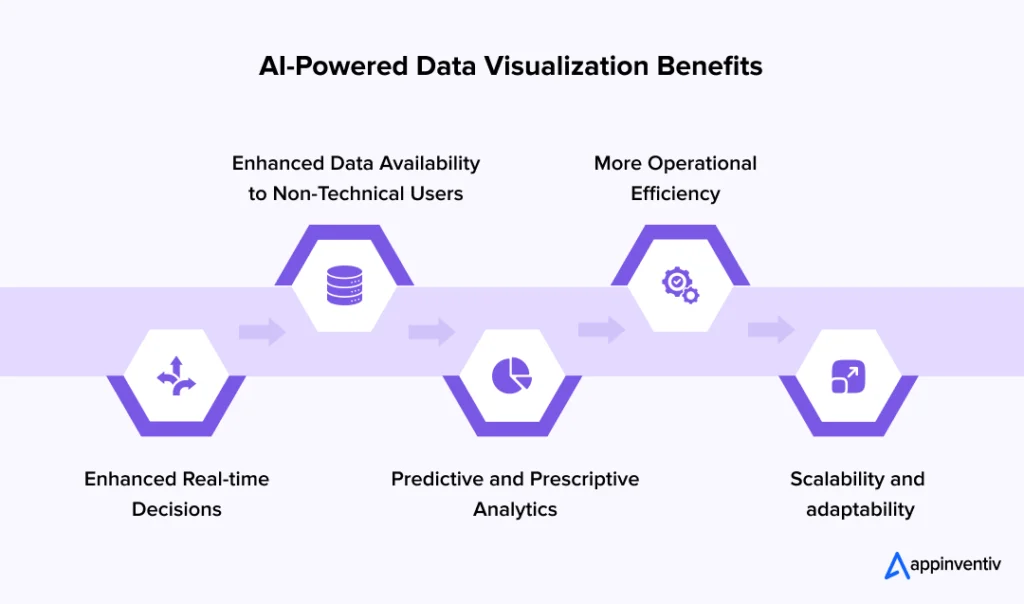
2. AI-Powered Analytics & Business Intelligence
AI is no longer a future trend; it’s a present-day competitive advantage. Custom AI integrations can help your enterprise predict demand, detect operational inefficiencies, and make data-driven decisions in real time.
3. API Integration & System Connectivity
One of the most underrated transformation wins is connecting your existing tools through smart API integrations. When your CRM, ERP, HR platform, and reporting dashboards all communicate seamlessly, your teams stop wasting hours on manual data transfers.
4. Cloud Migration & Scalability
Moving workloads to the cloud isn’t just about cost savings; it’s about building a foundation that scales with your growth without massive infrastructure investments.
Prioritize Change ManagementPrioritize Change Management
Here’s something that most tech companies won’t tell you: the biggest risk in digital transformation isn’t the technology, it’s the people.
Even the best custom software will fail if your teams don’t adopt it. Enterprise leaders need to invest as much in change management as they do in the tools themselves.
Best practices for smooth adoption:
- Involve end-users in the design process early they know the pain points better than anyone
- Run phased rollouts with pilot teams before enterprise-wide deployment
- Provide hands-on training, not just documentation
- Celebrate early wins publicly to build momentum
- Create feedback loops so teams can flag issues quickly
At Tokma Technologies, we build ongoing support and training into every enterprise project. Because a successful launch is just the beginning.
Measure, Iterate, and Scale
Digital transformation is not a one-time project. It’s a continuous journey.
Once your initial solutions are live, you need clear KPIs to track whether they’re delivering real value:
- Operational efficiency: Are processes faster? By how much?
- Cost reduction: Have you eliminated manual overhead?
- Customer satisfaction: Is your product or service experience measurably better?
- Employee productivity: Are your teams spending time on high-value work?
Use these insights to iterate and improve. The enterprises that succeed long-term treat technology as a living, evolving asset not a fixed installation.
The Role of AI in Enterprise Digital Transformation
No transformation roadmap in 2025 is complete without addressing artificial intelligence. AI is rapidly becoming the backbone of enterprise operations across every sector.
Here’s how AI is being used by forward-thinking enterprises right now:
- Predictive maintenance in manufacturing and logistics
- Intelligent document processing to automate data entry and compliance
- AI-powered customer support through smart chatbots and virtual assistants
- Personalized recommendations in retail and financial services
- Fraud detection in banking and insurance using machine learning models
The good news? You don’t need to build AI capabilities from scratch. Tokma Technologies integrates proven AI frameworks directly into your custom software, giving you enterprise-grade intelligence without the complexity of managing it yourself.
Why Tokma Technologies Is Your Ideal Transformation Partner
We know that choosing a software development partner for something as critical as digital transformation is a big decision. Here’s what sets Tokma Technologies apart:
- Enterprise-first thinking: We design solutions for scale, security, and complexity, not just startups
- End-to-end development: From strategy to deployment to ongoing support, we’re with you every step
- AI integration expertise: We build AI into your workflows in ways that actually make business sense
- Transparent communication: No jargon, no surprises just clear milestones and honest progress updates
- Proven results: Our clients see measurable improvements in efficiency, cost savings, and team productivity

Conclusion
Digital transformation doesn’t have to be intimidating. With the right roadmap and the right partner, it becomes a clear, step-by-step journey from where you are today to where you want your enterprise to be.
The companies winning in the next decade won’t be the ones with the biggest budgets. They’ll be the ones who moved decisively, built smart, and embraced technology as a strategic advantage.


