
Building software is much more than writing code. Whether you’re creating a mobile app, a customer portal, an eCommerce platform, or an enterprise management system, every successful project follows a structured process known as the Software Development Lifecycle (SDLC).
For many business owners, software development can feel overwhelming because of technical jargon, changing requirements, and uncertainty about costs and timelines. Understanding the SDLC helps you make better decisions, communicate effectively with your development team, reduce project risks, and ensure your investment delivers long-term value.
In this guide, we’ll explain each phase of the Software Development Lifecycle in simple terms, discuss popular development methodologies, highlight common mistakes to avoid, and share best practices for delivering successful software projects.
What Is the Software Development Lifecycle (SDLC)?
The Software Development Lifecycle (SDLC) is a structured framework that guides the creation of software from the initial idea to deployment and ongoing maintenance.
It ensures that software is:
- Well planned
- Secure
- Scalable
- High quality
- Cost-effective
- Easy to maintain
Instead of jumping straight into coding, SDLC breaks development into manageable stages, allowing teams to identify risks early, improve collaboration, and deliver software that meets business goals.
Why SDLC Matters for Businesses
A well-defined SDLC helps businesses:
- Reduce development risks
- Improve software quality
- Stay within budget
- Deliver projects on time
- Increase customer satisfaction
- Simplify future upgrades
- Enhance security
- Support business growth
Companies that follow an SDLC are more likely to deliver reliable software and achieve a higher return on investment.
The 7 Phases of the Software Development Lifecycle

The planning phase lays the foundation for the project. During this stage, stakeholders define the business problem, objectives, target audience, budget, timeline, and expected outcomes.
Typical activities include:
- Identifying business goals
- Estimating costs
- Defining project scope
- Assessing risks
- Allocating resources
- Creating a project roadmap
2. Requirements Analysis

In this phase, the development team gathers detailed functional and technical requirements.
Questions often answered include:
- What features are required?
- Who will use the software?
- What integrations are needed?
- What security measures are necessary?
- What devices and platforms should be supported?
The result is a Software Requirements Specification (SRS), which serves as the project’s blueprint.
Design

Design focuses on both the user experience and the technical architecture.
This stage includes:
- UI/UX design
- Wireframes
- Interactive prototypes
- Database design
- System architecture
- API planning
Good design ensures the software is intuitive, visually appealing, and scalable.
4. Development

This is where developers transform the approved design into a working application.
Common tasks include:
- Frontend development
- Backend development
- Database implementation
- API integration
- Third-party service integration
- Feature development
Modern teams often use Agile methodologies, delivering features in short iterations for faster feedback.
Testing

Before launch, the software undergoes rigorous testing to identify and resolve issues.
Testing may include:
- Functional testing
- Performance testing
- Security testing
- Usability testing
- Compatibility testing
- User Acceptance Testing (UAT)
Comprehensive testing helps ensure the software performs reliably in real-world conditions.
Deployment

Once testing is complete, the software is deployed to production and made available to users.
Deployment activities include:
- Server configuration
- Cloud deployment
- Database migration
- Security checks
- Performance monitoring
- User onboarding
A smooth deployment minimizes downtime and ensures a positive user experience.
7. Maintenance and Continuous Improvement
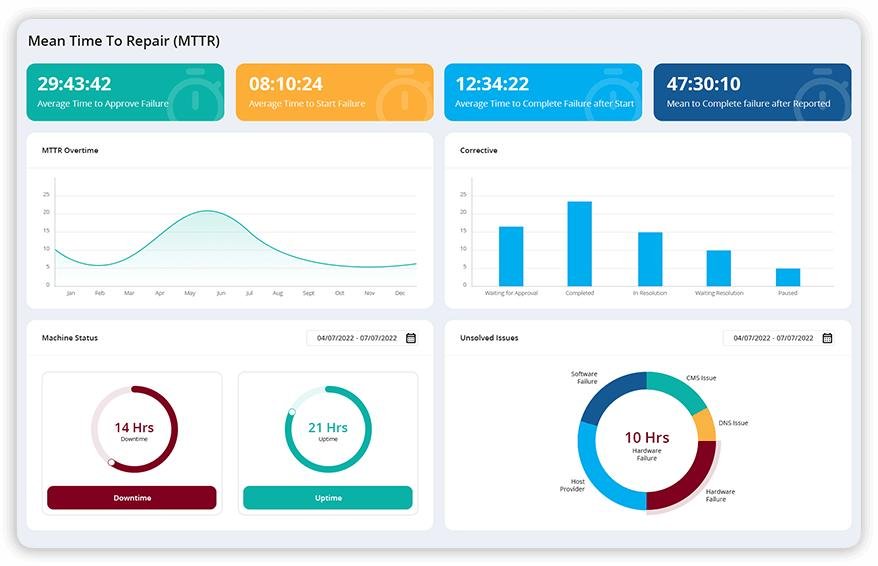
Software development doesn’t end after launch. Ongoing maintenance keeps the application secure, reliable, and aligned with changing business needs.
Maintenance tasks include:
- Bug fixes
- Security updates
- Performance optimization
- Feature enhancements
- Compatibility updates
- Customer support
Businesses that invest in continuous improvement keep their software relevant and competitive.
Popular SDLC Methodologies
Different projects require different development approaches. Some of the most widely used methodologies include:
- Waterfall: A sequential approach suited for projects with stable requirements.
- Agile: An iterative methodology focused on collaboration, flexibility, and continuous delivery.
- Scrum: A popular Agile framework that organizes work into short development cycles called sprints.
- Develops: Combines development and operations to automate deployment and improve software reliability.
For most modern business applications, Agile and DevOps provide the flexibility needed to adapt to changing requirements.
Common Mistakes Businesses Should Avoid
Avoiding these pitfalls can significantly improve project outcomes:
- Starting development without clear requirements
- Prioritizing cost over quality
- Ignoring security considerations
- Skipping testing to save time
- Failing to involve end users during development
- Choosing technology that doesn’t scale
- Neglecting post-launch maintenance
Working with an experienced software development partner helps minimize these risks.
How Tokma Technologies Delivers Successful Software Projects
At Tokma Technologies, we follow a proven Software Development Lifecycle to deliver secure, scalable, and business-focused solutions.
Our expertise includes:
- Custom Software Development
- Web Application Development
- Mobile App Development
- AI Integration
- API Development
- Cloud Solutions
- UI/UX Design
- Quality Assurance
- Software Maintenance & Support
- Business Process Automation
We work closely with clients throughout every stage of the SDLC to ensure the final product aligns with their business objectives.
Conclusion
Understanding the Software Development Lifecycle (SDLC) empowers business owners to make informed decisions, reduce project risks, and maximize the value of their software investments.
By following a structured development process from planning and design to testing, deployment, and maintenance, businesses can build software that is reliable, secure, and ready to scale with future growth.
If you’re planning a software project, partnering with a team that follows proven SDLC practices can make all the difference.
Tokma Technologies is committed to helping organizations transform ideas into innovative digital solutions that drive long-term success.
FAQ
1. What is the Software Development Lifecycle (SDLC)?
It is a structured process used to plan, design, develop, test, deploy, and maintain software efficiently.
2. Why is SDLC important for businesses?
It reduces risks, improves quality, controls costs, and ensures software meets business goals.
3. Which SDLC model is best?
Agile is often the preferred choice for modern businesses because it supports flexibility and continuous improvement.
4. How long does a software development project take?
Timelines vary depending on complexity, features, and project scope. Small projects may take a few months, while enterprise systems can take much longer.
5. Can existing software be improved using SDLC?
Yes. SDLC principles apply to both new software development and enhancements to existing applications.


